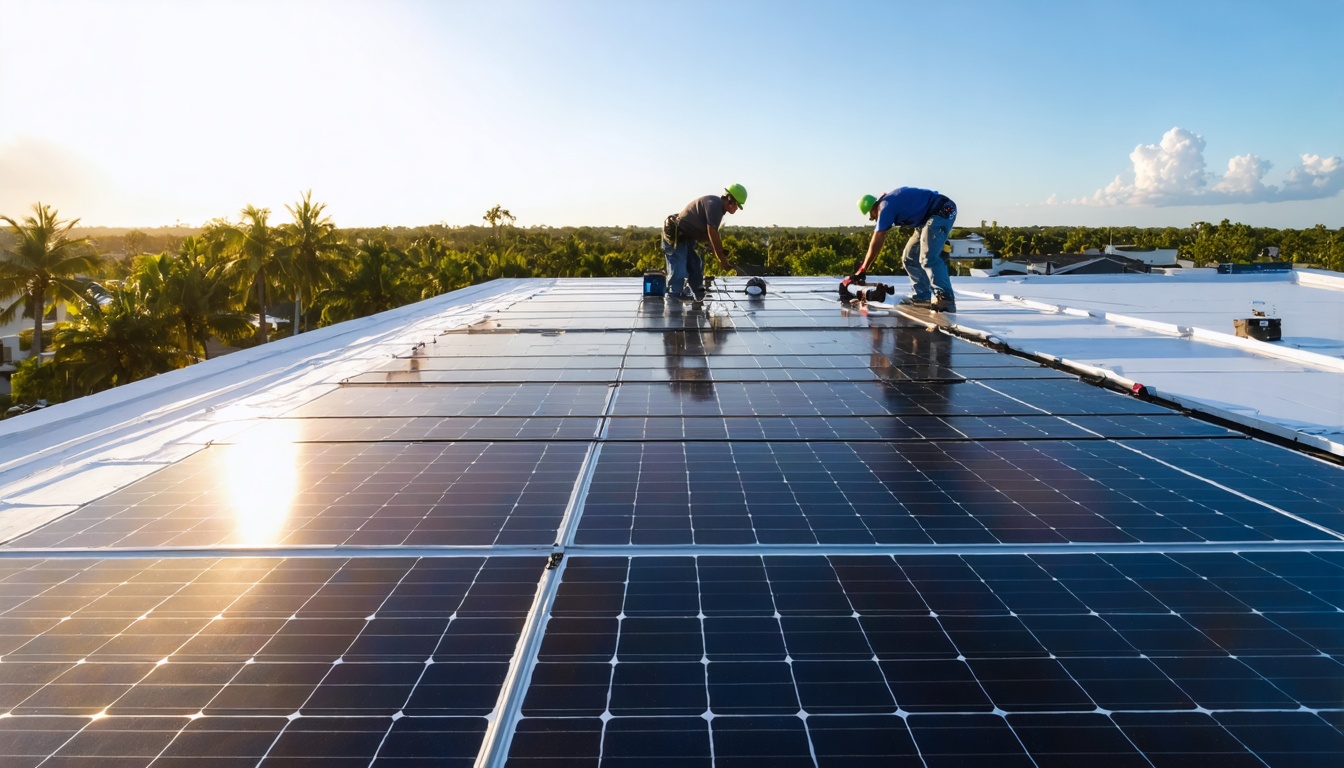
Solar Ready Roof Upgrades That Matter for Homes in Orlando, Florida
If you are looking to enhance your home's value and increase energy efficiency in Orlando, integrating solar-ready roof upgrades may be a practical option. The region's abundant sunlight and available local incentives can contribute to reduced energy costs while equipping your property for potential future energy needs. However, several key factors regarding materials, installation timing, and compliance with local regulations should be carefully considered before proceeding with any upgrades. 1. **Materials**: Selecting the right roofing materials is essential for solar compatibility. Roofs that are durable and have a long lifespan, such as metal, tile, or certain asphalt shingles, tend to be more compatible with solar panel installations. Additionally, these materials should provide reliable weather resistance, which is important in Florida's variable climate. 2. **Timing**: The timing of your upgrades should align with your overall renovation schedule. Installing a solar-ready roof before solar panels are added can facilitate a more straightforward installation process, potentially leading to cost savings and reduced structural modifications in the future. 3. **Local Regulations**: Understanding local building codes and regulations in Orlando is vital. Some areas may have specific requirements or incentives related to solar installations, including permitting processes, zoning laws, and potential financial incentives. Consulting with local authorities or a qualified contractor can provide insights into what permits or inspections may be necessary. In conclusion, pursuing solar-ready roof upgrades involves a careful assessment of materials, timing, and adherence to local regulations. By taking these factors into account, homeowners can make informed decisions that align with their energy efficiency goals and property value enhancement.
Why Solar-Ready Roofs Are Essential in Orlando
In Orlando, the decision to invest in a solar-ready roof may be a reasonable consideration for homeowners given the region's favorable climate for solar energy generation. A solar-ready roof is specifically engineered to support the installation of solar energy systems, which can optimize energy solutions and may enhance the property's overall market value.
One significant advantage of solar-ready roofs is the potential for financial savings. Homeowners in Florida can take advantage of various tax credits and incentives that encourage the adoption of renewable energy technologies. These financial incentives can help offset the initial costs associated with purchasing and installing solar panels.
Furthermore, the installation of solar panels typically results in reduced utility expenses over time, presenting an additional economic benefit.
When undertaking roofing improvements or replacement, it is important for homeowners to choose a Solar Energy Installers. This can help avoid complications and unforeseen expenses related to the installation process. A well-designed solar-ready roof generally integrates effectively with battery backup systems, thus improving energy efficiency and reliability during power outages.
Additionally, the architectural features of a roof can significantly influence the performance of solar panels in harnessing sunlight. Properly configuring the roof to accommodate solar technology can enhance the efficiency of the entire solar energy system.
For homeowners contemplating a shift to solar energy, it is advisable to arrange for a professional assessment. This evaluation can provide detailed insights into available options and clarify the associated benefits.
For more information, including user agreements and additional resources, please visit our website.
Structural Factors for Solar-Ready Roof Design
When planning a solar-ready roof for a home in Orlando, several structural factors warrant careful consideration to ensure optimal performance and safety. The orientation of solar panels is a critical aspect; ideally, they should face south to maximize sunlight exposure while minimizing shading from nearby trees or buildings. Shading can significantly reduce energy production.
It is also essential to evaluate whether the existing roofing structure can accommodate the added weight of solar panels. In some instances, this may require a new roof installation or reinforcement of the current structure to ensure it can safely support the weight and avoid potential structural issues.
Additionally, minimizing obstructions, such as chimneys or skylights, on the roof can facilitate a more efficient installation process. To further enhance the roof's adaptability for future upgrades, pre-installing conduits for wiring can provide a straightforward pathway for any necessary electrical work, thereby saving time and costs during future enhancements.
Compatibility with various mounting solutions is another important consideration, as it can protect the investment in solar technology and allow for a wider range of installation options.
Incorporating these structural considerations not only optimizes the roof's functionality for solar energy generation but can also have a positive impact on the home's overall value. Moreover, it may lead to reduced energy costs and eligibility for federal tax credits associated with solar energy investments.
These factors underscore the importance of careful planning and execution when designing a solar-ready roof.
Best Timing for Roof Replacements and Solar Installations
When planning home improvements, it is essential to evaluate the condition of your roof prior to reaching its maximum lifespan or showing signs of significant wear. The simultaneous replacement of a roof along with the installation of solar panels can be a practical consideration. This strategy not only streamlines the enhancement process for the home but may also offer long-term protection and could increase market value.
Collaborating with a qualified contractor to coordinate both roofing and solar installations can help homeowners manage costs effectively and reduce complications.
This is particularly relevant in regions like Florida, where high levels of sun exposure can enhance the efficiency of solar energy systems. Homeowners may observe decreased utility costs due to increased energy efficiency from solar power, alongside potential federal tax incentives for solar installations.
Incorporating battery backup systems can further enhance energy reliability and independence. For optimal financial savings, it is important to evaluate all associated costs, any available tax credits, and the privacy implications of each installation.
For more detailed information on energy solutions, solar panels, and roof replacements, potential clients can reach out to schedule a consultation.
Recommended Roofing Materials for Solar Panel Integration
Selecting the right roofing material is crucial for both the structural integrity of your roof and the efficient operation of solar panels. Asphalt shingles present an economical choice for homeowners in Orlando, as they are generally compatible with solar panel installations and can help reduce complications during maintenance.
Metal roofing is another suitable option, recognized for its durability and energy efficiency. It withstands exposure to solar radiation effectively and can support battery backup systems, which may be beneficial for energy storage.
Tile roofs are known for their longevity and can enhance a home’s overall value. However, they typically involve higher upfront costs and may require specialized installation techniques to ensure compatibility with solar panels.
Additionally, the application of reflective coatings on new roofs can improve thermal performance and possibly lower utility bills by reflecting sunlight.
Prior to proceeding with roof replacement or solar panel installation, consulting with industry professionals is recommended. An assessment by experienced experts can help ensure that the selected roofing materials comply with relevant regulations and capitalize on available federal tax incentives.
Financing Solutions for Roof and Solar Upgrades
Homeowners in Orlando looking to finance roof and solar upgrades have several financing options that can help manage the associated upfront costs. One such program is Property Assessed Clean Energy (PACE), which enables homeowners to finance improvements and repay the amount through their property taxes over time. This approach can make the investment more manageable.
In addition to PACE, homeowners may take advantage of federal incentives like the Federal Investment Tax Credit, which allows them to deduct a specific percentage of their solar installation costs from their federal taxes. This can help lower the overall expenses associated with solar investments.
Another cost-reduction strategy is to work with a single contractor who offers bundled services, such as roofing, solar panel installation, and battery backup systems. This consolidation may result in lower total costs compared to hiring separate contractors for each service.
Homeowners should also consider available rebates and tax credits, as these can enhance savings and potentially increase the property’s value over time. Implementing roof and solar upgrades can lead to reduced utility bills and greater energy independence by optimizing renewable energy from sunlight.
For those contemplating these upgrades, it is recommended to consult with qualified contractors and thoroughly evaluate the financing options available.
Coordinating the installation of these upgrades can lead to efficiency in project execution and may offer cost advantages. For further exploration of these options, potential clients can reach out for a detailed discussion on installations and financing.
It is advisable to review the Terms of Use prior to any engagement.
Key Steps for Effective Solar-Ready Roof Implementation
To implement a solar-ready roof effectively, it is necessary to evaluate the structural and spatial requirements of the home. This involves assessing the roof's orientation to ensure optimal sunlight exposure and energy generation. Consulting with a qualified roofing contractor can help verify the roofing system's integrity. If the assessment indicates that the roof is not suitable, improvements or a complete replacement should be considered to adequately support solar panels.
During any roofing renovations, it is advisable to coordinate the installation of conduits for solar panel connections and potential battery backup systems. This can help secure the investment in solar technology and potentially lower costs in future installations.
To maximize the efficiency of the solar installation, it is important to identify and eliminate any obstructions that may impede solar energy capture. Homeowners, particularly in Florida, should also research available tax credits and federal incentives that can help offset the costs associated with solar installations.
For those interested in pursuing solar energy solutions and reducing utility costs, reaching out to a qualified solar provider for consultation is recommended. This allows for a thorough assessment and planning, helping to avoid complications later in the project.
Conclusion
Upgrading your roof for solar in Orlando involves several practical considerations, primarily focused on energy efficiency and long-term value. Selecting the appropriate roofing materials is crucial, as they must support solar panel installation and withstand Florida's climate conditions. Timing roof replacements to coincide with the installation of solar panels can also be efficient, potentially reducing overall costs and labor. Moreover, homeowners should be aware of both local and federal incentives for solar energy adoption, such as tax credits and rebates, which can significantly offset installation costs. Given Orlando's high levels of sunlight, integrating solar technology can lead to substantial savings on energy bills over time. In summary, a solar-ready roof can enhance the sustainability of a home while also increasing its market value, making it a practical decision for homeowners in Orlando. Careful planning and informed choices can lead to a successful and financially sound investment in solar energy.