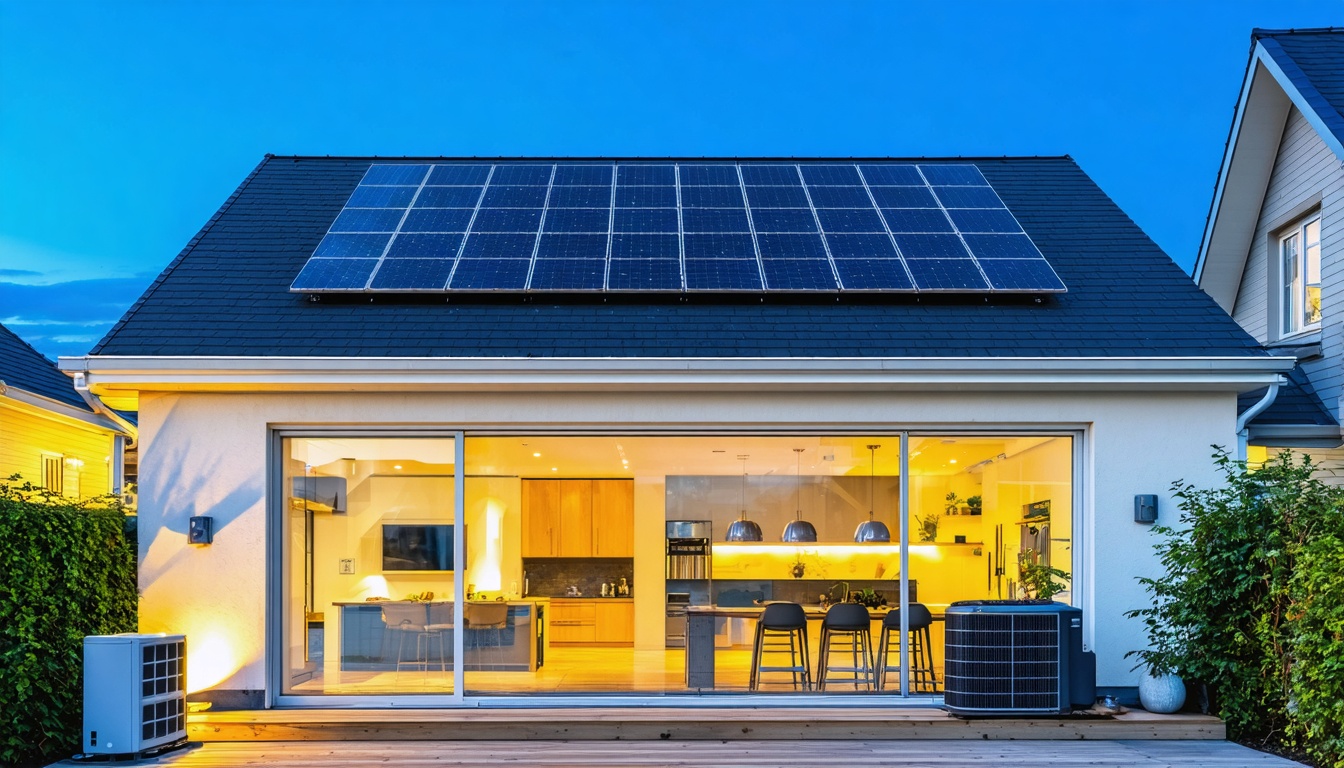
Home Energy Efficiency Improvements That Complement Solar Power
Investing in solar power necessitates consideration of your home's overall energy efficiency, as this can significantly influence potential savings. Enhancements such as improved insulation, energy-efficient appliances, and smart home technology can optimize the performance of a solar energy system and contribute to reduced utility expenses. These modifications not only help in achieving cost reductions but can also enhance the overall comfort and value of the home. To effectively determine which energy efficiency improvements yield the highest return on investment, it is useful to evaluate their impact on energy consumption and utility costs. For instance, better insulation decreases heating and cooling demands, directly influencing the amount of energy your solar system needs to generate. Similarly, modern appliances are designed to consume less energy while performing the same functions, which can lead to further savings when paired with solar power. In conclusion, while investing in solar power is a significant step towards sustainability and cost savings, complementing it with energy-efficient upgrades can multiply its effectiveness and ensure a more reliable return on investment. Evaluating the specific benefits of various improvements based on individual home characteristics can provide clearer insights into the most advantageous enhancements.
Key Energy Efficient Home Improvements and Their Benefits
A systematic approach to enhancing energy efficiency in the home can lead to reduced utility costs and improved returns on solar energy investments. Homeowners are encouraged to upgrade to Energy Star® certified appliances and LED lighting, both of which are commonly available across the United States through the assistance of Solar Companies in North Carolina.
Installing a smart thermostat can also optimize electrical consumption management. Additionally, considering heat pumps or modern heat pump water heaters as alternatives to traditional natural gas systems for water heating can help decrease reliance on fossil fuels.
Addressing air leaks around windows and doors is critical for ensuring comfort and maximizing energy efficiency. Effective strategies for this include sealing gaps, improving insulation, and utilizing efficient power management practices.
Furthermore, federal tax credits can alleviate initial expenses related to these energy improvements, making them a more feasible and financially sound option for homeowners aiming to enhance energy efficiency.
Enhancing Home Envelope Performance
Enhancing the performance of a home's envelope—which includes insulation, air sealing, and windows—is essential for reducing energy loss and improving the efficiency of solar power systems. Effective improvements in insulation and air sealing can significantly reduce heat loss, which in turn can lead to lower electricity costs and better performance of solar panels.
Key upgrades that homeowners may consider include the installation of Energy Star-rated windows, increasing attic insulation, and upgrading external doors. These enhancements can contribute to greater energy efficiency while also improving indoor comfort and air quality.
In the United States, federal tax credits are available to homeowners, helping to offset some of the initial costs associated with these energy-efficient upgrades. These financial incentives may motivate homeowners to pursue improvements that enhance their home's energy performance.
By adopting these upgrades, homeowners can work towards creating more sustainable living environments and can also contribute to reducing their carbon footprint.
Consulting with a qualified expert in the field is recommended for homeowners seeking further information or guidance on these improvements.
Integrating High-Efficiency Heating and Cooling Solutions
Reducing energy loss through envelope upgrades is an important strategy for enhancing overall energy efficiency in buildings. However, integrating high-efficiency heating and cooling solutions can provide additional benefits, particularly when combined with a solar power system.
Recent trends indicate a shift from traditional natural gas systems to more efficient electric alternatives, including heat pumps and Heat Pump Water Heaters. These systems can effectively lower energy consumption and related costs by as much as 50%.
The implementation of Smart Thermostats can further optimize the performance of heating and cooling systems by adjusting their operation in accordance with occupancy patterns and user preferences.
Moreover, sealing air leaks around windows and doors is essential for improving indoor comfort and reducing heat loss, which is critical for sustaining a stable indoor environment.
Homeowners and businesses may also benefit from federal tax credits that encourage the adoption of energy-efficient technologies. These financial incentives can help offset initial installation costs and facilitate the transition to more sustainable energy solutions.
For individuals considering these upgrades or seeking assistance with related questions, consulting with a professional can provide customized insights and recommendations tailored to their specific situations and goals.
Optimizing Appliance and Lighting Efficiency
Upgrading home appliances and lighting systems can improve energy efficiency and enhance the performance of solar power systems. One viable approach is to invest in Energy Star® certified appliances. These products are engineered to consume less electricity than standard models while meeting specific performance criteria, potentially resulting in a significant reduction in energy consumption over time.
Transitioning to LED lighting presents another effective measure. LEDs consume considerably less energy and generate less heat compared to traditional incandescent bulbs. This switch can result in lower electricity expenses and improved comfort within living spaces.
The implementation of smart thermostats is an additional method to optimize energy use. These devices provide accurate temperature regulation, aiding in the management of heating and cooling costs while contributing to better indoor air quality.
In the United States, homeowners can take advantage of federal tax credits for these upgrades, which can help alleviate some of the initial expenditure required for purchasing and installing new systems.
When solar panel installation is included, these improvements can yield significant energy savings. The combination of energy-efficient appliances and lighting with renewable energy sources contributes not only to lower utility bills but also to a reduction in the household’s carbon footprint, supporting both economic and environmental objectives.
Leveraging Smart Controls for Energy Management
To enhance the efficiency of energy generated by solar panels in residential environments, the integration of smart controls is a practical strategy. Smart thermostats are essential components in this context, as they optimize the operation of various electric systems, including heat pump water heaters, based on user behavior and preferences.
Current trends in energy efficiency projects have included the implementation of window upgrades, the reduction of air leaks, and enhancements to indoor air quality. When these improvements are paired with smart control systems, they lead to a more significant reduction in energy consumption.
Such combined efforts can result in lower utility bills and may qualify homeowners for tax credits associated with energy-efficient home upgrades.
Moreover, utilizing systems that offer real-time monitoring of energy use is recommended. This technology allows homeowners to better manage their energy needs while potentially creating a more comfortable living environment.
Additionally, by optimizing energy usage, homeowners can contribute to a decrease in their overall carbon footprint.
In summary, smart controls provide a valid methodology for achieving more sustainable energy management while aligning consumer habits with effective use of energy resources.
Maximizing Tax Credits and Financial Incentives
When planning home energy improvements alongside solar power installation, homeowners can take advantage of various federal tax credits and financial incentives designed to reduce their initial costs.
Currently, the federal tax credit for solar panel installation is set at 30% of the total installation expenses. Additionally, a 30% tax credit for energy-efficient upgrades, capped at a maximum of $2,000, is available for specific qualifying improvements such as heat pumps, Heat Pump Water Heaters, and ENERGY STAR-rated windows.
Homeowners may find it advantageous to combine these projects in order to maximize their total savings. By doing so, they may qualify for up to an additional $1,200 in credits on an annual basis.
These incentives are available to both eligible residential and commercial properties across the United States. To claim these credits, taxpayers must file Form 5695 for the tax year in which they made the improvements.
To ensure that all available savings are properly identified and utilized, it is advisable for homeowners to consult with a qualified tax professional or advisor. This can enhance overall cost efficiency and support improved energy performance in their homes.
Conclusion
Investing in energy efficiency improvements is an effective way to enhance the benefits of a solar power system. Key upgrades include improving insulation, replacing windows, and updating appliances and lighting. Such changes can lead to a significant reduction in overall energy consumption, while also improving indoor comfort levels. Incorporating smart home technology, which allows for better energy management, can further optimize energy use. When energy efficiency measures are integrated with solar energy systems, homeowners can increase their overall savings and improve the reliability of their energy supply. Moreover, many states and local governments offer financial incentives for energy-efficient upgrades, which can further offset costs. By implementing these improvements, homeowners can ensure that their properties are not only environmentally friendly but also effective in minimizing long-term energy expenses alongside their solar investments.